Career & Product Building
I Was Building Products Before I Knew What Product Management Was
From founding Dragaholic in 2014 to software engineering, financial services, and AI-powered prototypes, I've spent more than a decade building products without always realizing that's what I was doing.
Riley Winfred7 min read
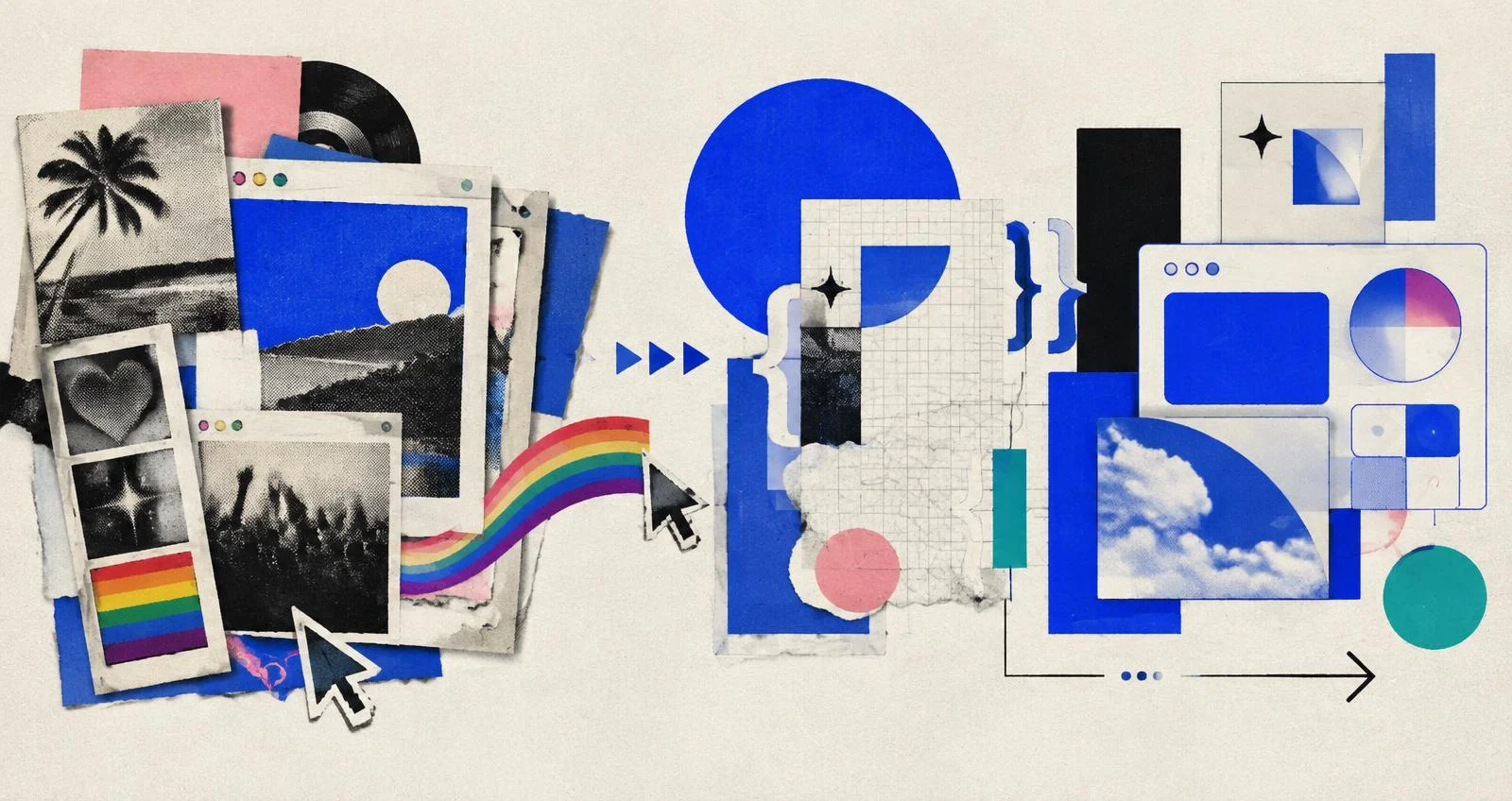
In March of 2014, I founded and launched a website called Draghaolic, an entertainment news blog dedicated to LGBTQ+ culture and entertainment (and the drag sub-culture that was not being highlighted in media at the time) – a project that, unknowingly at the time, would shape the next decade of my career.
Over the next 15 months, the site generated more than 3.5 million pageviews and grew a following of over 80,000 social media followers.
I was in my mid-20s, working in digital marketing, and had no idea how to keep a Wordpress website from getting hacked (spoiler). I did, however, have a pretty good understanding of how to build a brand from scratch and create a community that attracted thousands of readers and loyal fans.
At that time, I was unaware of the Product Manager role, let alone that that work I was doing was so aligned with that tile, or that product management was something I would want to do professionally someday.
Building something people want
Dragaholic started as a fun side project that tied together my interest in drag culture and an opportunity I saw to build something for a community that was creating amazing art and entertainment.
Little did I know, there was a massive audience of people hungry for what I would go on to create.
I wasn’t working from a formal product roadmap or following established frameworks. I figured things out as I went, using Google Analytics data to inform my content choices, and spent a lot of time developing a brand that would keep people coming back.
Eventually, Dragaholic grew beyond content alone. In those 15 months, I experimented with others ways to serve the audience and grow revenue, including introducing a merch shop and an events calendar (shoutout to my friend and former calendar manager, Cara, for all the hard work she put into that project!).
At that time, I didn’t realize each of those choices were “product features.” They were simply ideas I wanted to try out… and they paid off.
That was one of my favorite parts of building Dragaholic: Having an idea, building it from scratch, putting it in front of my audience, learning what ideas were valuable, and iterating.
From marketing to engineering
After I sold Dragaholic to Q.Digital, I joined their team and worked alongside Scott, Chris and the amazing sales and content teams to transform the company’s sales, advertiser campaigns, social media, and tentpole events strategies.
That experience gave me the opportunity to build digital product alongside external stakeholders, designers, and developers to help scale an established organization rather than starting something from scratch.
In that role, I found myself increasingly drawn to the technical side of things and building digital experiences myself. So, in 2018, I made a career pivot, attended a coding bootcamp, and landed my first software engineering job. For the next seven years, I worked as a software engineer, first at Fandango and then Curative Health Insurance.
At Fandango, I worked on the ticketing checkout experiences, developed across seven entertainment brands, and found a tech leadership opportunity working on web accessibility.
At Curative, I helped build healthcare products, including employer and member-facing experiences. I also twice co-led the Front-End Engineering Guild, where I worked with engineers, product managers, and engineering leaders to identify technical improvements and negotiate time to work on them alongside customer-facing priorities.
At both companies, collaborating with people outside of my engineering pods is where I found true joy. From the design and UX teams to customer service and leadership. Understanding why we were building something, asking questions about user experience, discussing tradeoffs, and helping roadmap was something I found myself doing intrinsically.
I did (and still do) enjoy the coding and technical-building pieces, but I was often just as interested in the conversations that happened around the code that was being written.
Exploring and detouring
After leaving Curative near the end of 2025, I decided to explore a few personal interests outside of tech.
Having spent the previous seven years learning about personal finances and the relationship I had with debt and money, my curiosity led me into financial services. I received my life and accident/health insurance licenses and became a financial professional.
The most interesting piece of that detour was the conversations I got to have with people. Between January and October 2026, I spoke with over 200 people about their relationships with money, what they found confusing and stressful, what prevents them from taking action, and how they felt about the financial services industry.
It wasn’t long before I started to notice a few recurring themes: People had financial education, but they were afraid to make expensive mistakes. Some thought financial planning was something they didn’t need to worry about until later in life or they had more money, while others didn’t know where to begin because of the sea of options.
Those conversations, and the therapeutic and healing nature of them, made me realize how much I enjoyed learning about customer needs and finding solutions… so I started building again.
My first experiment became a prototyped called Clarity Coach, an AI-powered financial education tool that I built using Lovable after having a great conversation with a friend who was in the early stages of budgeting, paying off debt and saving.
Although I never publicly launched Clarity Coach (due to industry regulation and compliance limitations), it was exciting to be able to take a real-world problem I’d observed and turn it into a tangible solution without needing an entire engineering team.
In many way, it reminded me of building Dragaholic before I knew how to code. Though there is a twelve-year gap between the two projects, my joy of building is still holds strong.
The common thread
My resume (download it here – shameless plug) might look a little all over the place.
I’ve worked in marketing, founded a media company, became a software engineer, and took a financial services detour.
After spending the last month reflecting on where I truly want to go next, I’ve realized that the common thread between all my roles has been my joy of building things.
I love connecting with, learning about, and understanding people. I enjoy helping them solve a problem, even if they don’t have the words to express what the underlying problem is. I thrive when I am finding solutions to complicated issues. And I enjoy bringing a variety of voices, both internal and external, into the room to problem solve and ideate.
That’s what originally drew me to building Dragaholic, it’s what drew me to software engineering, and it’s what has drawn me to continue to build to this day (now with the added benefits and efficiency of AI tools).
And it is also what has drawn me to pursuing a career in Product Management.
What’s next?
First, if you’ve made it this far, thank you for reading this post.
I am currently pursuing opportunities for Product Manager roles, in-office or hybrid in the Denver/Boulder, CO area, or remote. I am particularly interested in companies that are solving meaningful problems and creating consumer-facing products.
Roles at fintech companies feel most aligned with my joy of financial education, but I am also exploring roles at companies in the insurance, health, benefits, and education spaces where I believe my experiences are most aligned and could provide a useful perspective.
I know I have plenty to learn about working as a Product Manager, but I believe this transition feels less like starting over and more like bringing together every part of my career into one position.
Looking back, it’s funny to think that a conversation I had at a bar in South Korea with an English teacher in 2014 about drag queens (ask me about that another time) would help me understand what I wanted to do more than a decade later.
But here we are ☺